Conversation.
A little more good.
Why I Started
Good Input
I remember when the internet felt like a place to discover people, ideas, and things you never knew existed. I miss that. And I don't think I'm the only one.

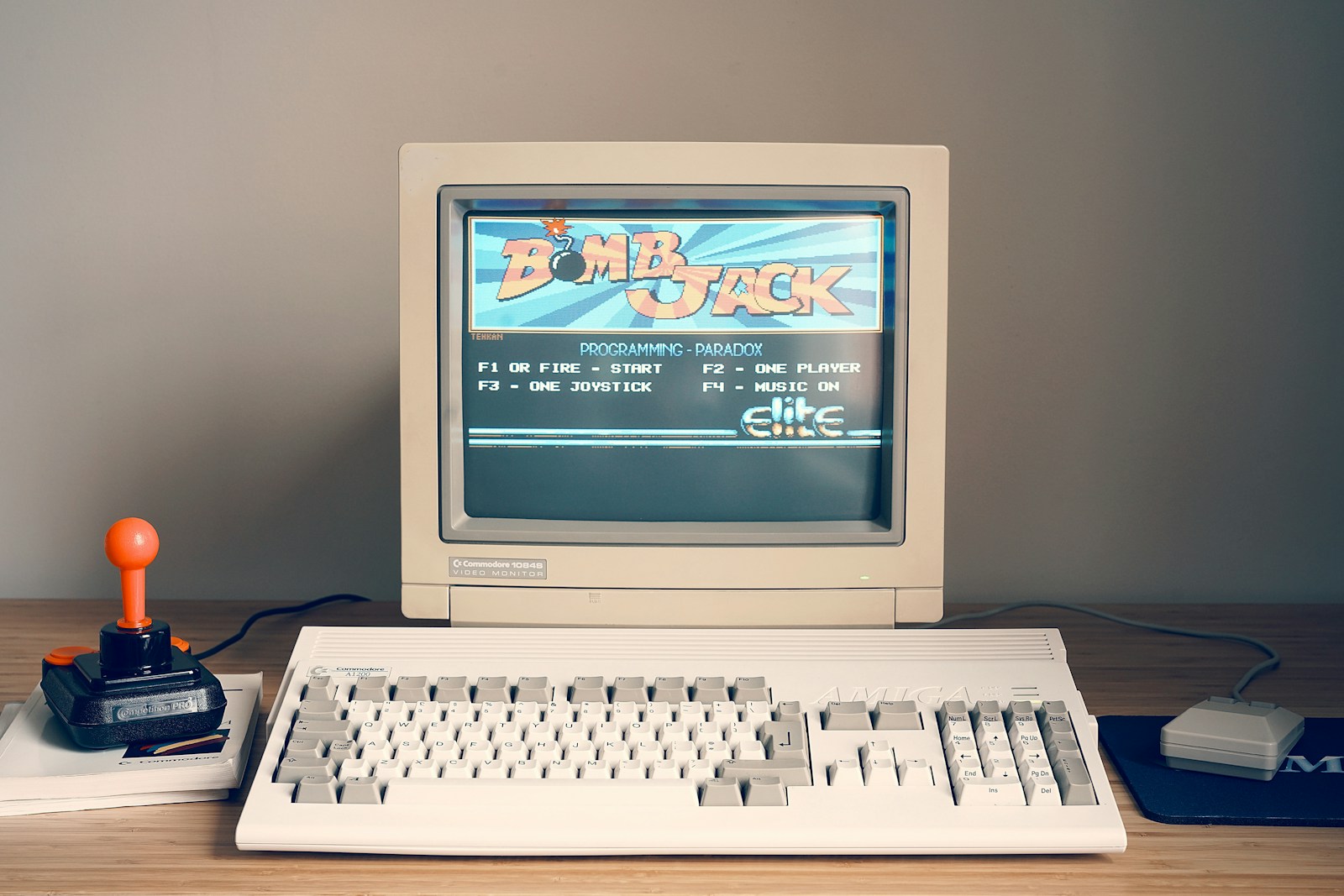
I didn't go into Yahoo Chat looking to have my worldview challenged. I went in to be a goof with my friends.
I was probably 14, 15, maybe 16. This was the late '90s, early 2000s, when the internet still felt like this incredible new world you could explore. Yahoo Chat, MSN Messenger, rooms filled with complete strangers from all over the planet.
The idea that I could sit at a computer and instantly talk to someone thousands of miles away was amazing to me.
And naturally, being a teenager, I used this remarkable technology to make jokes and bother people.
The Jerky Boys were big at the time, so my friends and I were doing our best to be as funny as possible. We'd all jump into the same chat room from our respective homes, trying to make each other laugh and generally being idiots.
But I remember one particular conversation that changed something for me.
A political discussion had started in the room. I won't get into what it was about because that isn't really the point. What I remember is that the tone shifted, and something in my brain shifted with it.
I stopped trying to be funny.
I started listening. Asking questions. Contributing. Thinking about things I hadn't really considered before.
And what struck me was that other people were doing the same thing.
There were people from different backgrounds, different places, with very different opinions. They weren't all agreeing. Some were pretty passionate about what they believed. But they were actually talking to each other.
Ideas were being explored. People were making points, considering other perspectives, and occasionally changing their minds.
Nobody was counting likes. Nobody was trying to build a following.
It was just a bunch of people having a conversation.
And for a teenager who had entered the room with absolutely no intention of doing anything remotely intellectual, it was pretty eye-opening.
I ended up making friends through experiences like that. Real friends. People I'm still friends with today.
We didn't agree on everything back then, and we certainly don't agree on everything now. But those conversations led to private chats, more discussions, more jokes, more debates, and eventually some pretty meaningful relationships.
Of course, the early internet wasn't some magical utopia. There were plenty of weirdos, trolls, and people behaving badly. My friends and I weren't exactly contributing to the intellectual advancement of humanity every time we logged on either.
But there was something about being able to wander into a room full of strangers and come away with a new perspective, or even a new friend, that I found genuinely exciting.
That's what I remember most about falling in love with the internet.

From conversations to comments
I've spent nearly two decades working in marketing. Advertising, content creation, branding, video, social media. I've watched the internet evolve, and I've been part of the industry helping businesses adapt to it.
At any given time, I might be managing 15, 20, even 30 social media accounts across different platforms.
Which makes something about me a little strange.
I don't have a personal Instagram account. I don't have a personal Twitter account.
People are often surprised by that.
How can someone who works in social media not use social media personally?
Well, I do use it. Constantly. Just not because I particularly enjoy the experience.
I haven't found the same kind of connection or value that I found in those early online communities.
LinkedIn is probably my one exception. It's the platform I've chosen to represent myself on, and I enjoy connecting with other professionals, students, and people who are genuinely interested in learning, sharing ideas, or improving themselves.
It has its share of clickbait and nonsense too, obviously. But for me, it's generally been a healthier experience.
Maybe that's just the little corner of LinkedIn I've found. I'm open to that possibility.
But across the other platforms I work with, regardless of the business, audience, or demographic, I keep noticing the same thing.
So much of what appears in our feeds seems designed to provoke a reaction.
Anger. Fear. Outrage. Anxiety. That nagging feeling that you're missing something important.
And even when the content itself is worthwhile, the way it's presented often seems designed to make you feel something extreme before you've even had a chance to consider what it's saying.
Which brings me back to those old chat rooms.
I think we’ve gone from discussing our opinions to leaving our opinions.
You watch a video. Read a post. See a headline. Then you scroll through hundreds of comments.
Someone agrees. Someone disagrees. Someone makes a joke. Someone gets offended. A whole argument breaks out between people who may never interact again.
And then everybody moves on to the next thing.
That's not to say meaningful conversations don't happen online anymore. They absolutely do. Places like Discord, Twitch, Reddit, and smaller online communities still offer opportunities for genuine back-and-forth.
But those experiences don't seem to be what mainstream social media is built around.
Instead, we're encouraged to publish something and see how people react.
Likes. Comments. Shares. Upvotes. Impressions.
I wonder how much that changes the way we communicate.
When you're talking to someone in real time, you have to deal with the person on the other end. You can ask questions, clarify what you meant, hear something unexpected, and change your mind halfway through.
When you're posting a comment, you can craft the perfect response, throw it out there, and walk away.
You can play to the crowd.
You can say something outrageous because you know it'll get attention.
And somewhere in there, the actual conversation can become secondary to the reaction you're hoping to get.
I miss the conversation.

When attention became the business
Now, here's where things get a little complicated.
Because I work in marketing, I understand exactly why so much online content looks and behaves the way it does.
Getting people's attention is difficult. Keeping it is even harder.
And when you're competing against millions of other people, publications, businesses, and creators for a few seconds of someone's day, you start looking at what works.
Unfortunately, some of the things that work best aren't necessarily the things that leave people feeling particularly good.
Take headlines.
"You Won't Believe What Happened When…"
"10 Things You're Doing Wrong…"
"I Went to Egypt and Discovered Something Shocking…"
Okay. What did you discover? Just tell me.
I understand the occasional clever headline. I even appreciate a good one.
But when practically everything is presented like some enormous secret you're one click away from uncovering, it gets exhausting.
And it's not just smaller creators doing this. Major publications are caught in the same cycle.
There was a time when people bought newspapers and magazines because they valued the publication, its writers, and their perspectives. Of course, advertising was part of that business too, and sensationalism certainly isn't something the internet invented.
But the digital world changed how all of this works.
Now we can measure almost everything.
We know which headlines get clicked. Which topics generate arguments. Which stories get shared. Which emotions keep people engaged.
And because we know, we can optimize for them.
Then we optimize some more.
And eventually, you start to wonder whether we're creating things because they're worth sharing or because we know people will react to them.
People used to pay for opinions. Now opinions pay your wages.
That's a simplified way of putting it, but it captures something I've watched happen.
And I'm not blaming the writers or the people creating content.
I know how difficult it can be to make a living doing this.
Big publications have hundreds of employees, editors, writers, offices, expenses, and all the other things that come with running a business. Independent creators have bills to pay too.
People need their work to perform.
I get it.
I'm not even sure I blame the system. I've watched enough of its evolution to understand how we arrived here.
But I do wonder where we draw the line.
At what point does getting someone's attention become more important than giving them something worthwhile once you have it?

Good people, negative feeds
Another thing I've noticed over the years is how different people can seem online compared with who they are in person.
I know a lot of wonderful people.
Funny people. Thoughtful people. Creative people. People who are passionate about their work, their families, their communities, and all sorts of interesting things.
When we're together, we laugh. We have great conversations. We share ideas. We talk about things we're excited about.
Then I'll see what they're posting online, and so much of it is about something that's made them angry.
Politics. Work. Society. Some injustice. Something ridiculous someone said or did.
And to be clear, a lot of that anger is completely justified.
I often agree with them. I'll support what they're saying because I know where they're coming from and I believe their perspective deserves to be heard.
But I can't help noticing the contrast.
I know these people are so much more than their frustrations.
So why does so much of what they share online revolve around those frustrations?
Maybe it's because negativity is easier to get people to engage with.
Think about two posts.
One person says they had a fantastic day.
Another says they had an absolutely terrible day because of their boss, their spouse, or something happening in the world.
Which one is more likely to generate a hundred comments?
Which one invites everyone else to jump in with their own grievances, opinions, and experiences?
Again, I'm not saying people shouldn't express those feelings. Sometimes those conversations are important and necessary.
But when frustration and outrage become some of the easiest ways to get attention, it makes sense that we end up seeing so much of them.
And I think that creates a distorted picture of who we are.
I don't believe the people around me are as negative as their feeds sometimes make them appear.
I know they're not.
There are so many good things happening in their lives. So many interesting thoughts, talents, experiences, and perspectives that rarely seem to get the same attention.
I wish we saw more of those things too.

So I started Good Input
I didn't create Good Input because I think I can fix the internet.
I don't have some grand plan to change how everyone communicates. I'm not starting an anti-social-media movement, and I don't intend to spend my days complaining about everything that's wrong with the world.
There's already plenty of that.
What I want to do is create a place where people can find good things.
And I want to be clear about what I mean by good.
Good doesn't necessarily mean happy.
I'm not interested in pretending that everything is wonderful or avoiding subjects just because they're difficult.
Sometimes a good conversation is uncomfortable. Sometimes a good article challenges something you believe. Sometimes a difficult experience leads to an important lesson or a better way forward.
That conversation I had in Yahoo Chat all those years ago certainly wasn't about something cheerful.
But it was good for me.
It made me think. It helped me understand people differently. It led to friendships I still value today.
That's the kind of good I'm talking about.
But good can also be something completely silly.
A great piece of music. An interesting game. A funny story. Something nostalgic. A fascinating discovery. A person doing something incredible. A new way to approach an old problem.
Or just something that makes you laugh for absolutely no reason.
I don't want to put too many rules around it.
Wherever good lives on the spectrum, I want it to have a place on Good Input.
I know a lot of good writers, creators, and people who are genuinely passionate about the things they do. People with interesting stories and ideas that deserve to be shared.
I want to create a place for those perspectives. I want to discover more people like them, and I want to share things that I find interesting along the way.
And because I'm in a position where I can build something without immediately worrying about whether every article gets a thousand clicks or every post generates a hundred comments, I want to take advantage of that freedom.
I want to publish things because I think they're worth publishing.
Not because I've figured out the perfect headline to get someone angry enough to click.
Of course, I'd love for people to read, share, and engage with what we create. I'm a marketer. I'm not going to pretend I don't understand the value of an audience.
But I'd rather earn someone's attention by consistently giving them something worthwhile than by constantly trying to provoke a reaction.
Maybe that's a little idealistic.
I'm okay with that.
A little more good
When I think about those early days online, I don't necessarily miss the technology.
I don't miss waiting for pages to load or getting kicked offline because someone picked up the phone.
And I definitely don't miss every aspect of those chat rooms.
What I miss is the feeling of discovering something.
Of meeting people I never would have met otherwise. Of finding something interesting simply because I was curious enough to look. Of having a conversation where the goal wasn't to win, collect likes, or prove somebody wrong.
It was just about connecting.
I still believe the internet can be that kind of place.
In fact, I know it can, because I still find little pieces of it here and there.
I just wish those experiences were easier to come across.
So that's what I'm going to try to contribute with Good Input.
Stories, ideas, perspectives, discoveries, conversations, humour, and whatever else seems worth sharing.
Some of it will make you think. Some of it might challenge you. Some of it will hopefully make you laugh.
And some of it might just introduce you to something or someone you never knew existed.
I'm sure I'll get things wrong along the way. I'll probably change my mind about a few things too.
That's fine. I'd actually be disappointed if I didn't.
I hope other people will contribute, share their perspectives, and help make this something interesting.
Because I think there's still an awful lot of good out there.
And I'd like to see more of it.
That's why I started Good Input.