
The Complete Canadian Spring Yard Cleanup Checklist
Start with damage and drainage, then move into cleanup, lawn repair and planting. Spring yard work is easier when you do it in the right order.

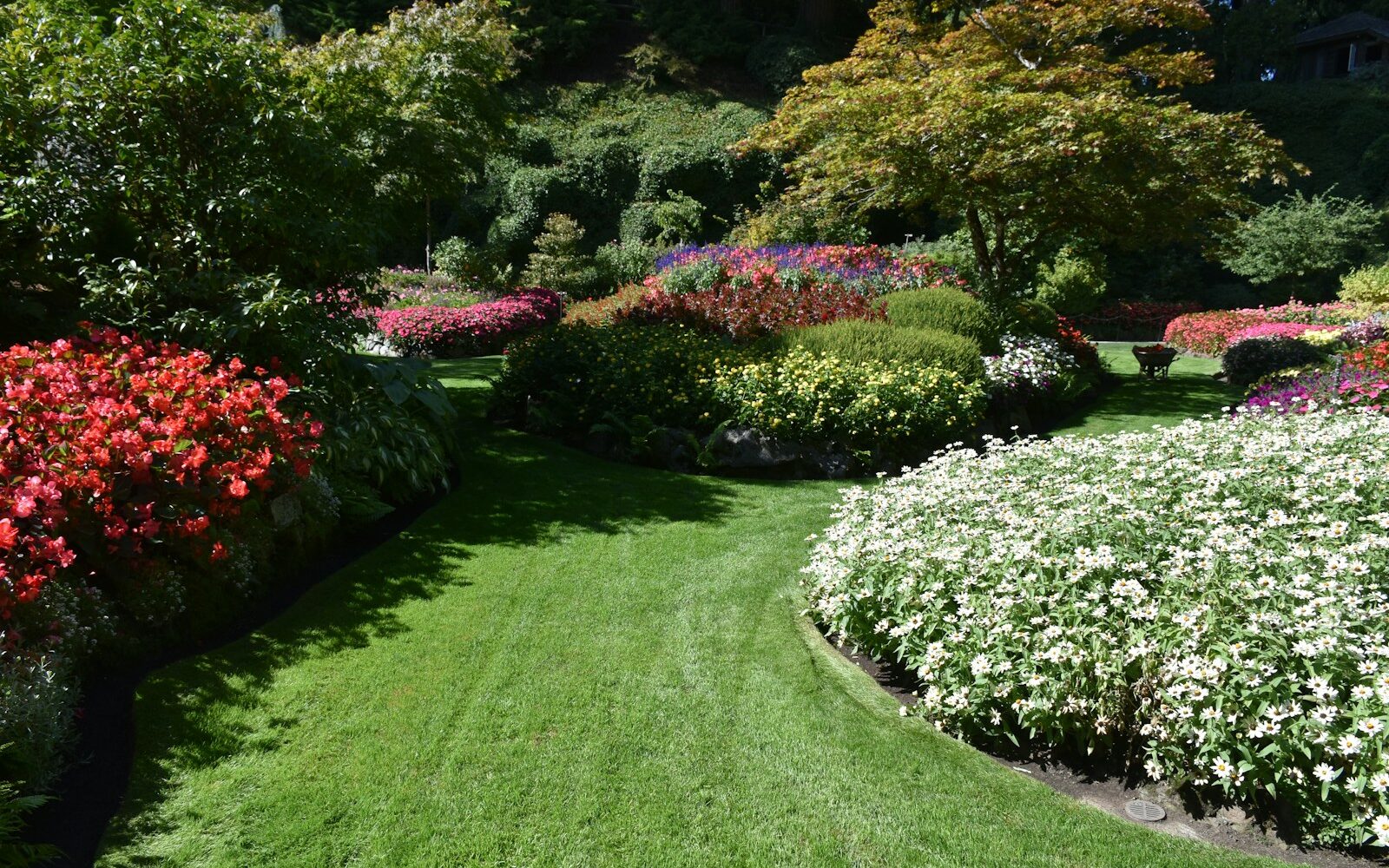
Spring yard cleanup is less about making everything look perfect in one weekend and more about getting the property ready to grow again without creating extra damage.
1. Wait until saturated ground can handle traffic
Walking, raking or moving equipment across very wet soil can compact it and damage turf. If footprints are sinking deeply or the lawn feels spongy, give it time.
2. Walk the property before cleaning it
- Look for standing water and drainage problems.
- Check fences, gates and retaining edges for winter movement.
- Look for broken branches and damaged shrubs.
- Note bare, matted or heavily damaged lawn areas.
- Inspect downspouts and discharge points.
3. Remove debris gently
Pick up branches, litter and winter debris first. Rake lightly rather than aggressively tearing through grass that is still soft or dormant.
4. Deal with drainage before cosmetic work
If water consistently pools near the house, across walkways or in the same lawn depression, solve the water path before spending heavily on seed or sod in that area.
5. Clean garden beds
Remove broken annual growth, obvious weeds and debris while avoiding unnecessary disturbance around emerging perennials. Edge beds if needed and top up mulch after the soil has begun to warm.
6. Prune obvious dead or damaged growth
Remove broken, dead or hazardous branches where you can identify them confidently. Flowering shrubs and trees vary in when they should be pruned, so avoid blanket pruning rules for every species.
7. Evaluate the lawn
Separate temporary winter flattening from true bare areas. Once active growth begins, thin areas can be overseeded where appropriate. Large failed areas may need more preparation than simply scattering seed.
8. Check irrigation and outdoor water
Inspect hoses, outdoor taps, timers and irrigation components for freeze damage before you depend on them. Run zones briefly and look for broken heads, leaks or areas with poor coverage.
9. Clean hard surfaces
Sweep patios, walks and decks before deciding they need aggressive washing. Winter grit and organic debris often make surfaces look worse than they are.
10. Make the season plan
Write down what needs repair, what needs ongoing maintenance and what is purely an upgrade. Separating those categories helps keep the first warm weekend from turning into an expensive impulse-shopping trip.
The GOOD INPUT order
Inspect → drainage → debris → beds → damage → lawn → irrigation → surfaces → upgrades. The sequence matters more than trying to finish everything at once.
We aim to use primary sources, firsthand testing and clearly attributed expertise wherever possible. See our editorial policy.
Keep going